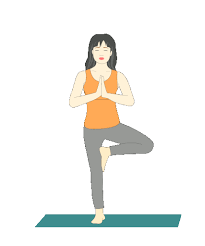
Yoga is an ancient Indian practice combining physical postures (asanas), breathing techniques (pranayama), and meditation to unite mind, body, and spirit, aiming for harmony, health, and spiritual awareness, with its name from Sanskrit meaning "to join" or "yoke". While traditionally a spiritual discipline for liberation, modern yoga often focuses on physical fitness, stress relief, and mental well-being through various styles like Hatha, Ashtanga, or Bikram.

Core Components
Asanas (Postures): Physical movements that build strength, flexibility, and balance.

Pranayama (Breath Control): Techniques to regulate breath, calming the mind and energizing the body.

Dhyana (Meditation): Practices to focus the mind and achieve tranquility. 


Goals & Philosophy
Union: To unite individual consciousness with universal consciousness (the self with the divine). 
Holistic Health: To foster harmony between mind, body, and spirit, leading to overall well-being. 
Spiritual Awakening: Traditionally, yoga's ultimate aim is spiritual liberation (Moksha) or self-realization.

Modern Practice
Today, yoga is widely practiced for its physical benefits (strength, flexibility) and mental benefits (stress reduction, focus). 
Styles vary from gentle Hatha to vigorous Ashtanga, often adapted for different needs and levels. 

Health Benefits
Regular practice offers extensive advantages for overall well-being: 
Physical: Improves flexibility, builds muscle strength, lowers blood pressure, and can relieve chronic pain like backaches.
Mental: Reduces stress and anxiety, improves sleep quality, and enhances concentration and memory.
Spiritual: Encourages self-awareness, discipline, and a sense of oneness with the world.